

Soursop (also known as Graviola) is a tropical fruit tree producing large, spiny green fruits with creamy white aromatic flesh. It is highly prized for its unique flavour and growing scientific evidence of medicinal properties (leaves and fruit used in traditional medicine and nutraceuticals). Soursop thrives in Zimbabwe's warmer low-altitude areas and offers significant commercial potential for fresh fruit, juice, and medicinal leaf markets.
540
Days to Maturity
15-25 tonnes/ha (from year 3-4)
Typical Yield
High
Water Need
Low
Drought Tolerance
Optimal Soil Types
pH Range: 5.5 – 6.5
Soursop requires deep, well-drained, fertile soils with good organic matter content. It is sensitive to waterlogging which quickly causes root rot. Sandy loam with high organic matter gives best results. Avoid compacted, shallow, or heavy clay soils. Good aeration around the root zone is critical.
Fertilizer: At planting: 10 kg well-decomposed compost + 200g Compound C per hole. From year 2 onwards: 500g urea + 400g SSP + 300g MOP per tree per year in 3 split applications. Apply 10-15 kg Nutrich Vermicompost per tree annually for improved fruit size and quality. Foliar feed with zinc, boron, and manganese quarterly. Potassium is critical for fruit quality and flavour.
Optimal Temp: 25-30°C
Rainfall: 800–2000mm/year
Climate Zones
Soursop requires consistent moisture throughout the year. Apply 30-40 litres per tree per week. Critical periods: flowering and fruit development. Drip irrigation preferred. Mulch heavily around trees to retain moisture. Drought stress during flowering causes blossom drop and poor fruit set. Avoid waterlogging.
14°C
clear sky
Manicaland
47%
Humidity
9
km/h Wind
14–14°C
Min / Max Today
5-Day Forecast
Fri
14°
14°
Sat
25°
8°
Sun
29°
10°
Mon
30°
13°
Tue
30°
12°
Soursop optimal climate: Temp: 25-30°C°C · Rainfall: 800–2000mm/yr
Planting Months
Harvesting Months
Planting Depth: Planting holes 60cm x 60cm x 60cm
Spacing: 4m x 4m (625 trees/ha) or 5m x 4m
Material: Nursery-grown seedlings from fresh seed (germination 15-30 days at 25-30°C), or grafted plants for early fruiting
Provinces
Natural Regions
Symptoms: White cottony masses on shoots, flowers and fruit, sticky honeydew, sooty mould, fruit deformation, premature drop
Management: Spray Chlorpyrifos + white oil every 2 weeks. Control ant populations. Introduce Cryptolaemus predatory beetles. Prune to improve air circulation.
Symptoms: Larvae bore into developing fruit, brown galleries in flesh, fruit deformation, premature drop with exit holes
Management: Bag fruits with paper or polythene bags from marble stage. Spray Chlorpyrifos at fruit set. Remove and destroy fallen fruit.
Symptoms: Grey/brown encrustations on stems and leaves, yellowing, dieback, reduced vigour
Management: Spray white oil + Malathion during crawler stage. Prune infested branches. Scrub scales manually.
Symptoms: Larvae in ripe fruit flesh, puncture marks, premature rotting, fruit drop
Management: Protein bait stations. Bag maturing fruit. Collect and destroy fallen fruit. Pheromone traps for monitoring.
Symptoms: Wilting despite adequate moisture, yellowing from base upward, brown root discolouration, rapid plant decline and death
Management: Ensure excellent drainage. Apply Metalaxyl drench preventatively. Raise planting beds. Avoid overwatering. No chemical cure once advanced.
Symptoms: Black lesions on flowers causing premature drop, dark spots on developing fruit, post-harvest fruit rot
Management: Spray Mancozeb or Carbendazim every 14 days during flowering. Post-harvest Prochloraz dip. Handle fruit gently.
Symptoms: Pink/salmon fungal growth on branches, bark cracking, wilting and dieback of affected branches
Management: Prune affected branches 30cm below infection. Paint wounds with Copper paste. Spray Copper oxychloride on stems.
Symptoms: Black fungal coating on leaves and fruit, blocks photosynthesis, cosmetic damage to fruit
Management: Control sap-sucking insects (mealybugs, scale) which produce the honeydew. Spray white oil to remove sooty mould.
Governed Product Guidance
Crop-specific product selection, application rates, mixing, timing and treatment guidance for Soursop are available only through ZEF's governed production-agronomy workflow after country readiness and product/regulatory approval.
Fresh fruit (local market premium), soursop juice and pulp, frozen pulp for export, ice cream and yoghurt flavouring, medicinal leaf tea (growing international demand for Graviola supplements), soursop leaf extract for nutraceutical industry. Fresh fruit commands USD 3-8/kg at urban markets.
Export Potential:
Cultivation Guide
Step-by-step guide tailored to Soursop in Zimbabwe
Related Crops
Crops suited to similar climate zones or soil types as Soursop
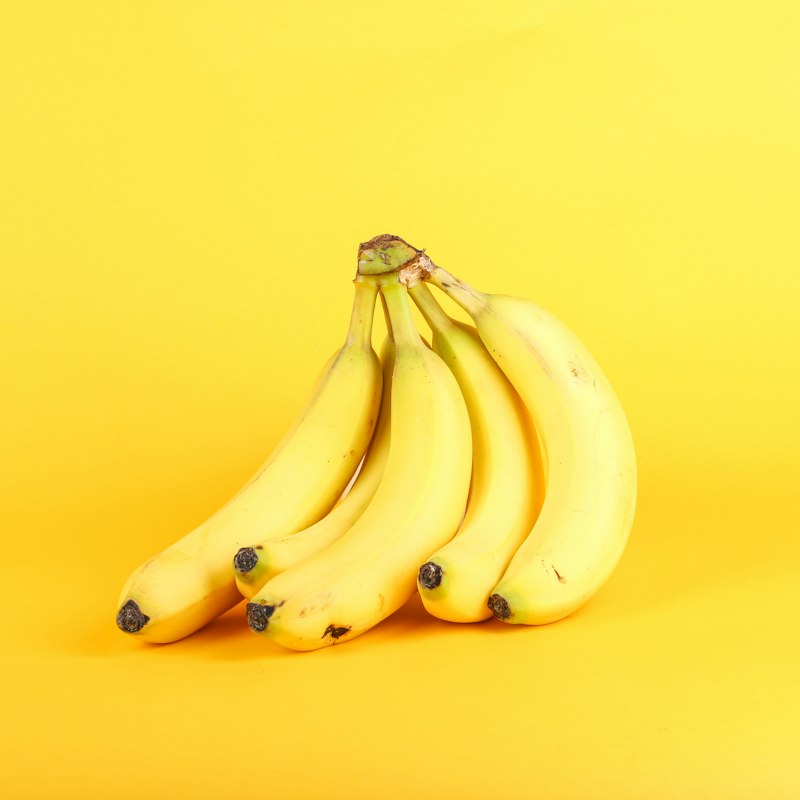
Banana
Musa spp.

Lemongrass
Cymbopogon citratus
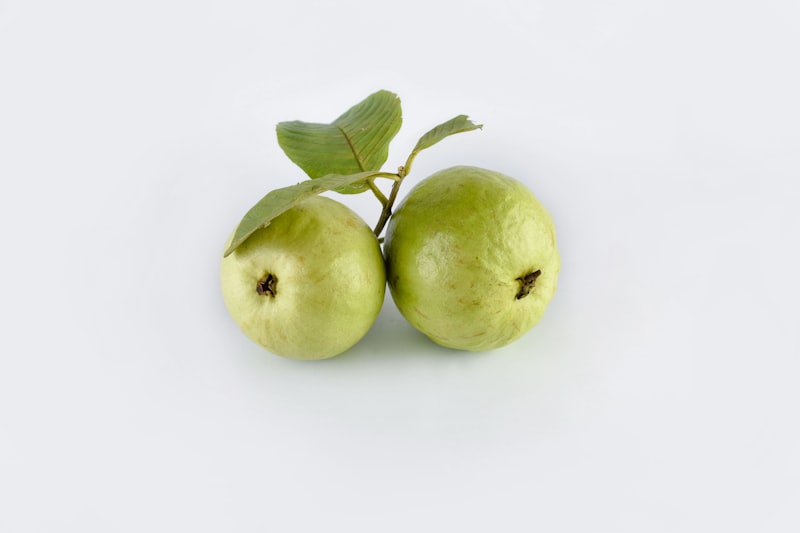
Guava
Psidium guajava

Tomato
Solanum lycopersicum
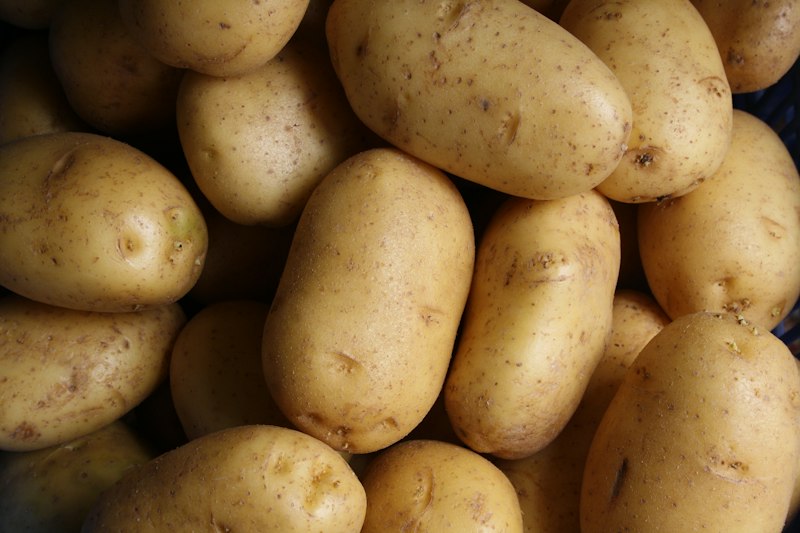
Potatoes
Solanum tuberosum

Sugar Beans
Phaseolus vulgaris
Farmer Reviews & Ratings
No reviews yet
Be the first farmer to share your experience with Soursop