
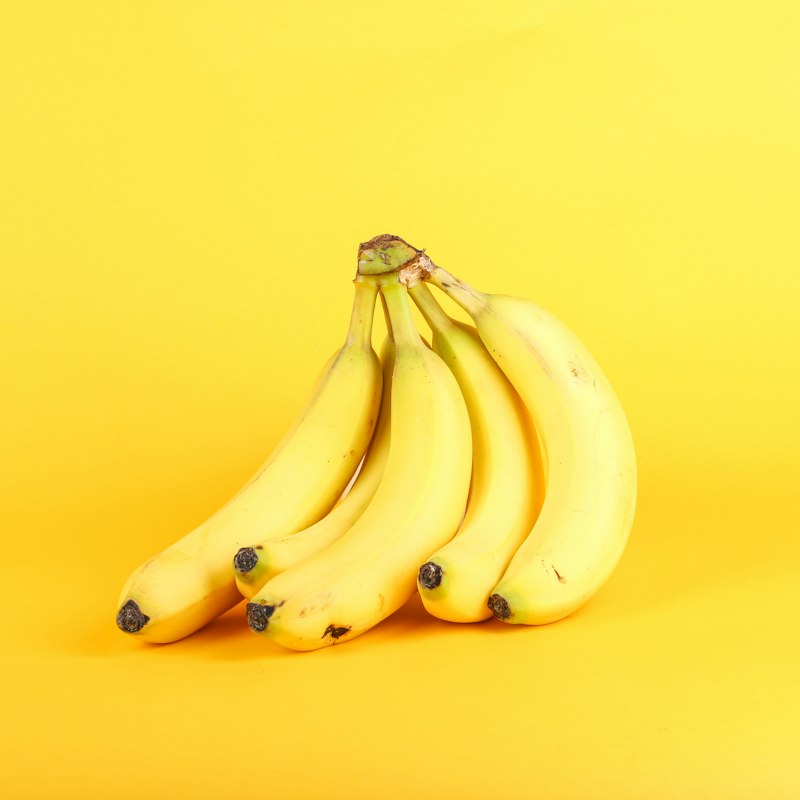
Banana is a high-value perennial fruit crop grown widely in Zimbabwe's low-altitude, high-temperature regions. It provides year-round income and is an important food security crop. Zimbabwe produces both dessert and cooking bananas, with major production in the Zambezi Valley, Chipinge, and Birchenough Bridge areas.
365
Days to Maturity
25-45 tonnes/ha
Typical Yield
Very High
Water Need
Low
Drought Tolerance
Optimal Soil Types
pH Range: 5.5 – 7
Bananas require deep (>1.5m), well-drained, fertile soils with high organic matter. They are sensitive to waterlogging which causes Panama wilt. Avoid shallow rocky soils. Good cation exchange capacity and moisture retention are important.
Fertilizer: Apply 1 kg of Nutrich vermicompost per plant per month targeting 12kg per year
Optimal Temp: 25-35°C
Rainfall: 1200–2500mm/year
Climate Zones
Bananas require 25-35 mm of water per week. Drip irrigation is most efficient. Critical stages: establishment (first 3 months), bunch emergence, and fruit fill. Total water requirement: 1,200-2,000 mm/year. Moisture stress causes small bunches and poor quality.
14°C
clear sky
Manicaland
47%
Humidity
9
km/h Wind
14–14°C
Min / Max Today
5-Day Forecast
Fri
14°
14°
Sat
25°
8°
Sun
29°
10°
Mon
30°
13°
Tue
30°
12°
Banana optimal climate: Temp: 25-35°C°C · Rainfall: 1200–2500mm/yr
Planting Months
Harvesting Months
Planting Depth: 30-45 cm (planting hole depth 60cm)
Spacing: 3m x 3m (1,111 plants/ha) or 3m x 2m high density
Material: Tissue culture plantlets (preferred), sword suckers, or corms
Provinces
Natural Regions
Symptoms: Tunneling in corms, yellowing, plant toppling, stunted growth, reduced ratoon performance
Management: Use clean planting material. Apply Carbofuran granules in planting holes. Set banana stem traps. Remove old stumps. Pheromone traps for monitoring.
Symptoms: Toppling of plants due to root destruction, blackened roots, reduced yield, poor ratoon establishment
Management: Use tissue culture plants (nematode-free). Soil fumigation with Fenamiphos. Crop rotation. Hot water treatment of corms at 52°C for 20 min.
Symptoms: Brown scarring on fruit skin under the bunch cover, cosmetic damage reducing market value
Management: Bag bunches with polythene sleeves immediately after bunch emergence. Spray Dimethoate if heavy infestation.
Symptoms: Bunchy top virus vector. Leaf distortion, streaking, stunting in severe cases
Management: Control aphid populations with Imidacloprid. Remove and destroy bunchy top infected plants immediately.
Symptoms: Internal yellowing of pseudostem, wilting from oldest leaves, brown vascular discolouration, plant death
Management: Plant resistant varieties (FHIA hybrids). No chemical cure. Remove infected plants and lime the soil. Do not move soil from infected areas.
Symptoms: Dark brown streaks expanding to leaf spots with yellow halos, premature leaf death, reduced bunch size by 50%
Management: Spray Mancozeb 2 kg/ha or Propiconazole every 3 weeks. Remove infected leaves. Ensure good air circulation.
Symptoms: Dark green streaks on leaves, erect narrow leaves crowding at top, no fruiting, plant death
Management: No cure. Remove and destroy infected plants. Control aphid vectors. Use virus-free planting material only.
Symptoms: Black sunken lesions on ripening fruit, premature ripening, post-harvest rot
Management: Post-harvest dip in Thiabendazole or Prochloraz. Handle fruit carefully to avoid wounds. Rapid cooling after harvest.
Governed Product Guidance
Crop-specific product selection, application rates, mixing, timing and treatment guidance for Banana are available only through ZEF's governed production-agronomy workflow after country readiness and product/regulatory approval.
Fresh dessert fruit for local and export markets, cooking bananas (matoke), banana flour, banana chips/crisps, juice, animal feed (leaves and stems), fibre from pseudostem. Strong demand in urban markets and regional export.
Export Potential:
Cultivation Guide
Step-by-step guide tailored to Banana in Zimbabwe
Related Crops
Crops suited to similar climate zones or soil types as Banana

Soursop
Annona muricata

Lemongrass
Cymbopogon citratus
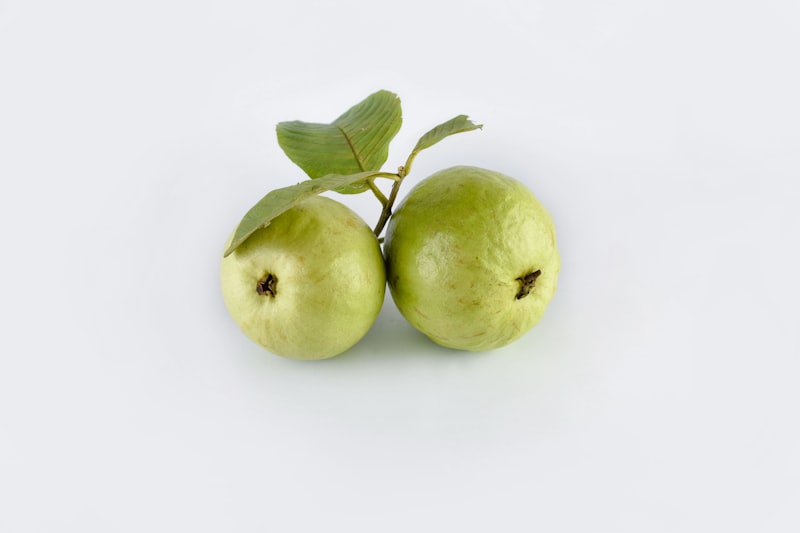
Guava
Psidium guajava

Tomato
Solanum lycopersicum
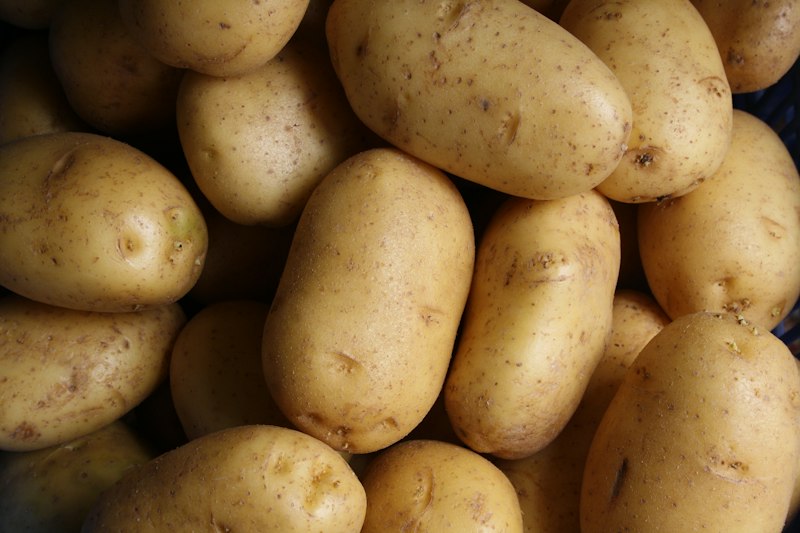
Potatoes
Solanum tuberosum

Sugar Beans
Phaseolus vulgaris
Farmer Reviews & Ratings
No reviews yet
Be the first farmer to share your experience with Banana