

Lemongrass is a fast-growing, drought-tolerant aromatic grass with significant commercial value in Zimbabwe's essential oil, culinary, and medicinal markets. It is one of the easiest high-value crops to establish, requiring minimal inputs while producing multiple harvests per year. Lemongrass essential oil (citral content 70-85%) commands strong export prices, and the fresh stalks are increasingly demanded by restaurants, herbal tea producers, and direct consumers.
90
Days to Maturity
20-40 tonnes/ha fresh biomass; 100-200 kg/ha essential oil
Typical Yield
Moderate
Water Need
High
Drought Tolerance
Optimal Soil Types
pH Range: 5 – 8
Lemongrass is highly adaptable to a wide range of soil types. It performs best in well-drained, moderately fertile loamy soils. It tolerates poor soils but responds well to organic matter additions. Avoid permanently waterlogged soils. Good drainage prevents root diseases. The plant actually improves soil structure over time through its dense root system.
Fertilizer: Apply 200 kg/ha Compound C at planting. Top dress with 150 kg/ha Ammonium Nitrate at 6 weeks and after each harvest. Annual application of Nutrich Vermicompost (3-5 tonnes/ha) dramatically improves oil yield and citral content. Foliar spray with potassium silicate improves stress tolerance and oil gland density. Nitrogen drives biomass while potassium drives oil quality.
Optimal Temp: 22-30°C
Rainfall: 700–2500mm/year
Climate Zones
Lemongrass is drought tolerant once established but irrigation during dry season significantly increases biomass yield and oil content. Apply 20-25 mm per week during dry season. Drip or furrow irrigation suitable. Withhold irrigation 1-2 weeks before harvest to concentrate essential oil. Established plants can survive 3-4 months without irrigation.
14°C
clear sky
Manicaland
47%
Humidity
9
km/h Wind
14–14°C
Min / Max Today
5-Day Forecast
Fri
14°
14°
Sat
25°
8°
Sun
29°
10°
Mon
30°
13°
Tue
30°
12°
Lemongrass optimal climate: Temp: 22-30°C°C · Rainfall: 700–2500mm/yr
Planting Months
Harvesting Months
Planting Depth: 5-8 cm (slips/tillers)
Spacing: 60 cm x 60 cm (27,778 plants/ha) or 75 cm x 60 cm
Material: Stem slips/tillers (divided clumps from established plants), or rooted cuttings from certified nurseries
Provinces
Natural Regions
Symptoms: Dead hearts in young tillers, frass in stems, reduced tiller production, plant stunting
Management: Spray Chlorpyrifos or Carbofuran granules at planting. Monitor for dead hearts. Keep field clean of dead material.
Symptoms: Defoliation, ragged edges on leaves, frass deposits, rapid destruction of young crop
Management: Spray Chlorpyrifos 1 L/ha or Emamectin benzoate at first sign. Early morning scouting when larvae are active.
Symptoms: Leaf edge feeding, defoliation in large populations, reduced biomass yield
Management: Spray Malathion during outbreaks. Early planting ahead of grasshopper season. Natural recovery is rapid.
Symptoms: Silvery streaking on leaves, reduced photosynthesis, quality downgrade for fresh market
Management: Spray Abamectin or Spinosad. Adequate irrigation reduces thrips pressure. Reflective mulch as deterrent.
Symptoms: Elongated brown lesions with yellow margins on leaves, premature leaf death, reduced oil yield
Management: Spray Mancozeb 2 kg/ha or Propiconazole. Improve air circulation with correct spacing. Harvest on schedule to prevent disease build-up.
Symptoms: Small reddish-brown circular spots on leaf blades, premature leaf death in severe infections
Management: Spray Copper oxychloride every 2-3 weeks during rainy season. Good drainage reduces incidence.
Symptoms: Yellowing and wilting of clumps, rotting at base of stems, poor re-sprouting after harvest
Management: Improve drainage. Avoid overwatering. Apply Metalaxyl drench if problem persists. Remove and replant affected clumps.
Symptoms: Orange-brown pustules on leaves, premature defoliation in humid conditions
Management: Spray Propiconazole or Mancozeb. Improve air circulation. Harvest before rust establishes.
Governed Product Guidance
Crop-specific product selection, application rates, mixing, timing and treatment guidance for Lemongrass are available only through ZEF's governed production-agronomy workflow after country readiness and product/regulatory approval.
Fresh stalks for culinary use (restaurants, supermarkets, direct consumers), dried lemongrass tea, essential oil distillation (soap, cosmetics, pharmaceuticals, aromatherapy), insect repellent products, herbal medicine, natural preservative. Essential oil export price: USD 10-20/kg. Fresh stalks: USD 2-5/kg at premium markets.
Export Potential:
Cultivation Guide
Step-by-step guide tailored to Lemongrass in Zimbabwe
Related Crops
Crops suited to similar climate zones or soil types as Lemongrass
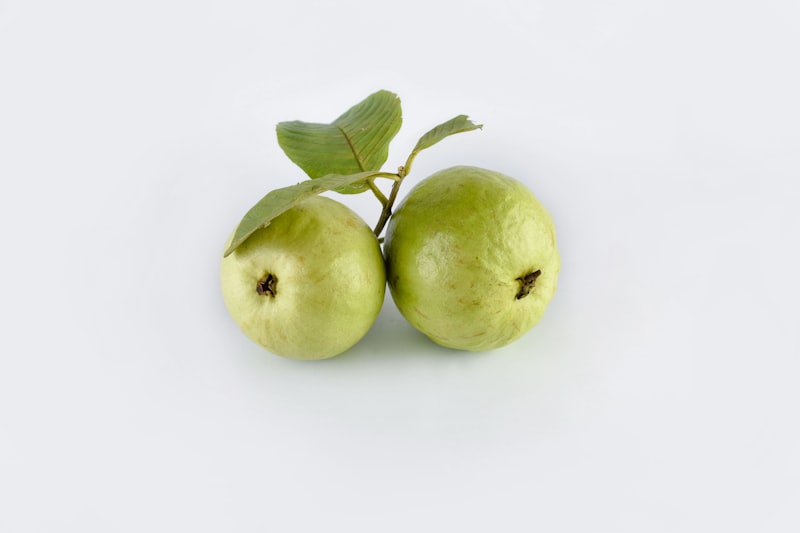
Guava
Psidium guajava

Amaranth
Amaranthus hybridus

Swiss Chard
Beta vulgaris var. cicla

Rape / Covo
Brassica napus (Rape) / Brassica oleracea (Covo)

Tomato
Solanum lycopersicum
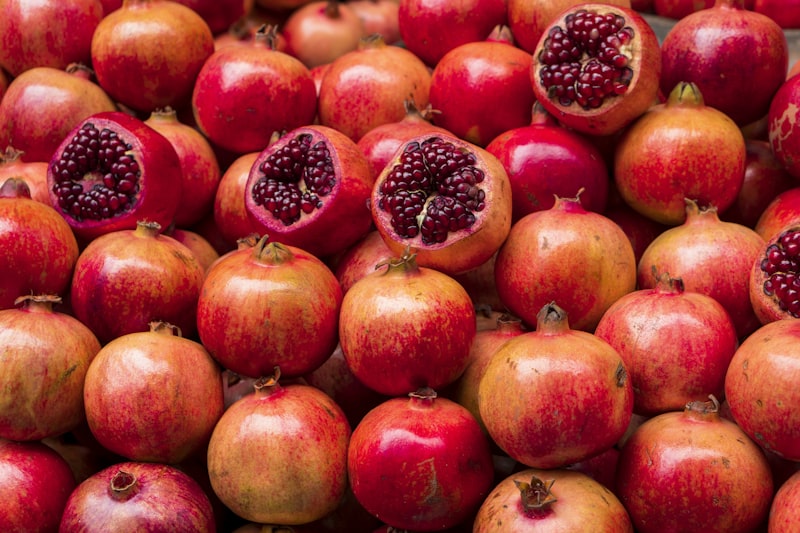
Pomegranate
Punica granatum
Farmer Reviews & Ratings
No reviews yet
Be the first farmer to share your experience with Lemongrass