

Lucerne (alfalfa) is a high-protein perennial fodder crop grown under irrigation in Zimbabwe. It is a key feed for dairy and livestock operations.
60
Days to Maturity
10–20 tonnes/ha (DM)
Typical Yield
High
Water Need
Low
Drought Tolerance
Optimal Soil Types
pH Range: 6.5 – 7.5
Requires deep, well-drained soils with pH above 6.5. Highly sensitive to waterlogging and acidity. Lime acidic soils before planting.
Fertilizer: Single superphosphate 300kg/ha at establishment. Potassium 100kg/ha annually. No nitrogen needed — fixes own nitrogen. Inoculant with Sinorhizobium meliloti essential.
Optimal Temp: 18–28°C
Rainfall: 0–800mm/year
Climate Zones
High water requirement — 6–8 irrigations per cut. Apply 50–60mm per irrigation. Cannot survive drought. Flood or sprinkler irrigation used.
14°C
clear sky
Manicaland
47%
Humidity
9
km/h Wind
14–14°C
Min / Max Today
5-Day Forecast
Fri
14°
14°
Sat
25°
8°
Sun
29°
10°
Mon
30°
13°
Tue
30°
12°
Lucerne optimal climate: Temp: 18–28°C°C0
Planting Months
Harvesting Months
Planting Depth: 0.5–1 cm (very shallow)
Spacing: Row spacing 15–30cm; broadcast sowing common
Material: Inoculated seed
Provinces
Natural Regions
Symptoms: Yellowing, stunting, plant death
Management: Imidacloprid or dimethoate spray; resistant varieties (Sequel, Sequel Plus)
Symptoms: Silvery stippling on leaves, defoliation
Management: Chlorpyrifos spray at emergence; pyrethroid spray
Symptoms: Seedlings cut at soil level after establishment
Management: Bait pellets; cypermethrin soil spray
Symptoms: Wilting, yellowing, brown rotted roots
Management: Improve drainage; metalaxyl drench; resistant varieties
Symptoms: Dark brown crown, plant decline
Management: Avoid waterlogging; long rest periods between cuts
Symptoms: Wilting in hot conditions, yellow-orange discolouration
Management: Resistant varieties; certified seed; crop rotation
Governed Product Guidance
Crop-specific product selection, application rates, mixing, timing and treatment guidance for Lucerne are available only through ZEF's governed production-agronomy workflow after country readiness and product/regulatory approval.
Dairy and livestock fodder (fresh and hay), small-scale milk producers, feedlot operations
Export Potential:
Cultivation Guide
Step-by-step guide tailored to Lucerne in Zimbabwe
Related Crops
Crops suited to similar climate zones or soil types as Lucerne

Lemongrass
Cymbopogon citratus
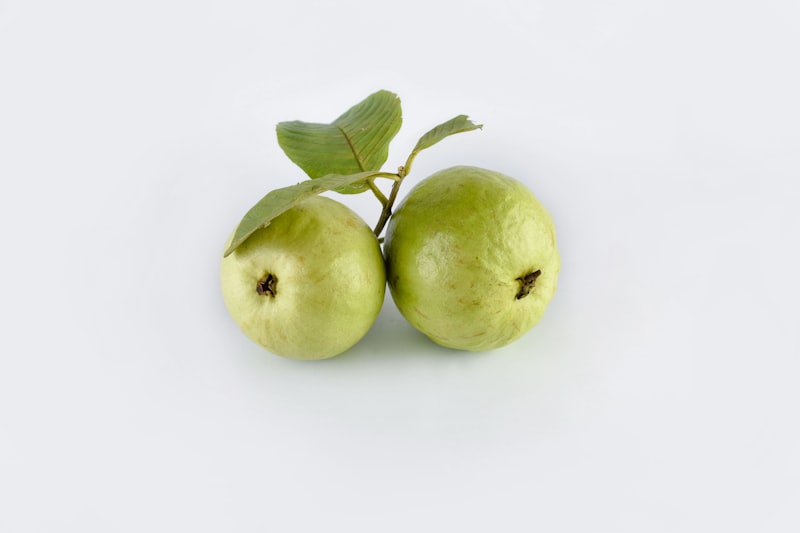
Guava
Psidium guajava

Zucchini / Baby Marrow
Cucurbita pepo

Swiss Chard
Beta vulgaris var. cicla

Rape / Covo
Brassica napus (Rape) / Brassica oleracea (Covo)

Amaranth
Amaranthus hybridus
Farmer Reviews & Ratings
No reviews yet
Be the first farmer to share your experience with Lucerne